Cost of Data Breach 2026: The Financial Impact of Human Risk
The 2026 Cost of Data Breach report sets a new record. Discover why human risk drives the highest costs and how to reduce your NIS2 liability.

The Cost of Data Breach 2026 report establishes a grim new baseline: the global average cost of a security incident has climbed to a record-breaking 4.88 million USD. However, this headline number tells only half the story. The primary driver of these costs is no longer technical infrastructure failure, but human risk—specifically phishing attacks, stolen credentials, and employee negligence.
For organizations in Spain and the wider EU, regulatory pressure compounds this financial risk. Under the strict mandates of the NIS2 Directive, proactively managing this human risk is no longer optional; it is a core, auditable requirement. The era of writing off breaches as "unavoidable" is over. According to the regulator, the C-suite is now personally liable for ensuring organizational resilience against these human-centric threats.
Understanding the 2026 Cost Landscape & NIS2 Liability
What is the main driver of the Cost of Data Breach 2026?
According to 2026 data, the most expensive and frequent breaches are driven by human risk factors, particularly stolen credentials and phishing, which take the longest to identify and contain.
Does NIS2 hold executives responsible for data breaches?
Yes. NIS2 shifts accountability directly to the top. Senior management (the C-suite) can be held personally liable for failing to implement adequate risk management measures, including human-centric security controls.
What are the penalties for NIS2 non-compliance regarding human risk?
Beyond the breach costs, NIS2 allows for administrative fines of up to €10M or 2% of global turnover. More critically, it introduces mechanisms to temporarily suspend executives from managerial functions if they neglect their supervisory duties over risk management measures.
The 2025 IBM Report Decoded: Key Trends Through a Human Lens
The 2025 IBM Cost of a Data Breach Report reveals a definitive truth: human vectors—specifically phishing and stolen credentials—are the primary drivers of record-breaking breach costs, significantly outpricing purely technical vulnerabilities. The data confirms that while zero-day exploits grab headlines, attacks targeting your people are consistently the most expensive and time-consuming to resolve.
To truly understand the cost data breach 2026 figures, we must look past the financial aggregate and analyze the behavioral patterns driving them. The official report from IBM highlights three critical trends that every CISO and HR director in a NIS2-regulated entity must address.
Trend 1: Phishing & Stolen Credentials Remain the Most Costly Vectors
Year after year, the IBM report 2025 data reinforces a painful reality: attacks that rely on human compromise cost the most. Why? Because they take the longest to identify and contain.
When an attacker utilizes stolen credentials, they are not "hacking in"; they are logging in. This bypasses traditional perimeter defenses, allowing threat actors to dwell inside networks for months before detection.
Key Insight: The report indicates that breaches caused by stolen credentials have the longest "Mean Time to Identify" (MTTI). Every day of delay adds thousands of dollars to the final bill in regulatory fines and forensic costs.
Trend 2: The Malicious Insider vs. The Negligent Employee
We often fear the "rogue employee" selling secrets, but the report shows that the "clumsy employee" is a far more frequent financial drain. While malicious insider attacks can be catastrophic, the cumulative cost of negligent errors creates a massive overhead for the business.
These non-malicious human errors typically fall into three categories:
- Misconfiguration: Employees setting up cloud databases without proper authentication.
- Misdelivery: Sending sensitive PII or regulated data to the wrong email recipient.
- Lost Devices: Laptops or mobile drives left in public spaces without encryption.
Trend 3: The AI "Cost Multiplier" (and Saver)
The most rapidly evolving trend influencing the cost of data breach in 2026 is the dual role of Artificial Intelligence. AI acts as a "cost multiplier" depending on who is wielding it.
- The Attacker's Advantage: Breaches involving AI-driven social engineering, such as highly personalized AI-phishing or sophisticated deepfake vishing (voice cloning), have a higher success rate and a higher price tag per record compromised.
- The Defender's Shield: Conversely, organizations that fully deploy AI and automation for cybersecurity operations see significantly lower breach costs. The speed at which AI can detect a behavioral anomaly (like a user logging in from an unusual location) drastically reduces the lifecycle of the incident.
FAQ: Attack Vectors, AI Trends, and Insider Threats
Why are stolen credentials the most expensive attack vector?
Stolen credentials are expensive because they allow attackers to masquerade as legitimate users, bypassing standard alerts. This extends the "dwell time" inside the network, increasing data exfiltration and remediation costs.
How does AI affect the cost of a data breach in 2026?
AI works both ways. It increases costs when attackers use it to craft better phishing or deepfakes, but it significantly reduces costs for companies that use AI for rapid threat detection and automated response.
Is employee negligence considered a security breach?
Yes. Under frameworks like GDPR and NIS2, data exposure caused by accidental loss or misdelivery is a reportable breach. It carries the same potential for fines and reputation damage as a malicious hack.
How does the "Time to Identify" (MTTI) impact the total breach cost?
There is a direct linear relationship: breaches with a lifecycle under 200 days cost significantly less. Human-centric attacks (like stolen credentials) have the longest MTTI, causing costs to spiral due to prolonged data exfiltration and forensic complexity.
Cost by Sector: Why Regulated Industries (Healthcare & Finance) Pay More
Regulated industries consistently face the highest data breach costs—with healthcare and finance topping the list again in 2026—because they face a "triple penalty": extreme regulatory fines, the high black-market value of sensitive records, and critical operational downtime. However, the data reveals that human risk is the primary accelerant; in sectors where uptime is critical, a simple employee error can trigger a cascade of financial consequences that far exceeds the cost of technical remediation.
Healthcare: The High Cost of Stress and Negligence
For the 16th consecutive year, healthcare leads all cost data breach sectors, reaching a new average high per incident. While ransomware is the technical vector, the root cause is frequently a human vulnerability.
This sector faces a unique challenge: high-burnout environments. Medical professionals work under extreme pressure with complex, often outdated legacy systems. This cognitive overload creates a perfect storm for negligence, such as:
- Falling for urgency-based phishing emails.
- Mishandling Protected Health Information (PHI).
- Bypassing security protocols to "get the job done" faster.
Expert Note: According to the ENISA Health Threat Landscape report, social engineering remains a top threat vector. Attackers ruthlessly exploit the "human element," knowing that stressed staff are more likely to make mistakes that compromise patient data.
Financial Services (DORA/NIS2): The Price of Compromise
The financial sector remains a close second in total breach costs. Unlike healthcare, where chaos is often the goal, attacks here are precise and targeted for direct theft.
The 2026 data indicates that breaches in finance are overwhelmingly tied to compromised credentials. Attackers harvest logins to move laterally and access core banking systems. This is why new regulations like DORA and NIS2 now mandate strict operational resilience. It is no longer enough to secure the perimeter; financial institutions must prove they can manage the human risk of authorized users who have been compromised.
FAQ: Sector-Specific Risks (Healthcare & Finance)
Why does healthcare always have the highest data breach cost?
Healthcare breaches are the most expensive because they involve highly regulated data (PHI), require complex notification processes, and often result in life-threatening operational downtime, leading to massive ransom payments and regulatory fines.
How do DORA and NIS2 affect financial sector breach costs?
These frameworks increase the "cost of non-compliance." If a breach occurs due to a lack of oversight or poor human risk management, financial institutions face not only the cost of the hack but also severe administrative fines for failing to demonstrate resilience.
Is employee burnout really a cybersecurity risk?
Yes. Data shows a direct correlation between employee fatigue and security incidents. Burned-out employees are significantly less alert, making them more susceptible to phishing and more likely to make negligent errors, like misconfiguring privacy settings.
How do attack motives differ between Healthcare and Finance?
While Healthcare is often targeted for chaos and ransom due to the urgency of patient care, the Financial sector is targeted for precision theft and fraud. However, both rely heavily on social engineering as the entry point to bypass robust technical perimeters.
The Hidden "Human Risk" Factors in Your Breach Cost
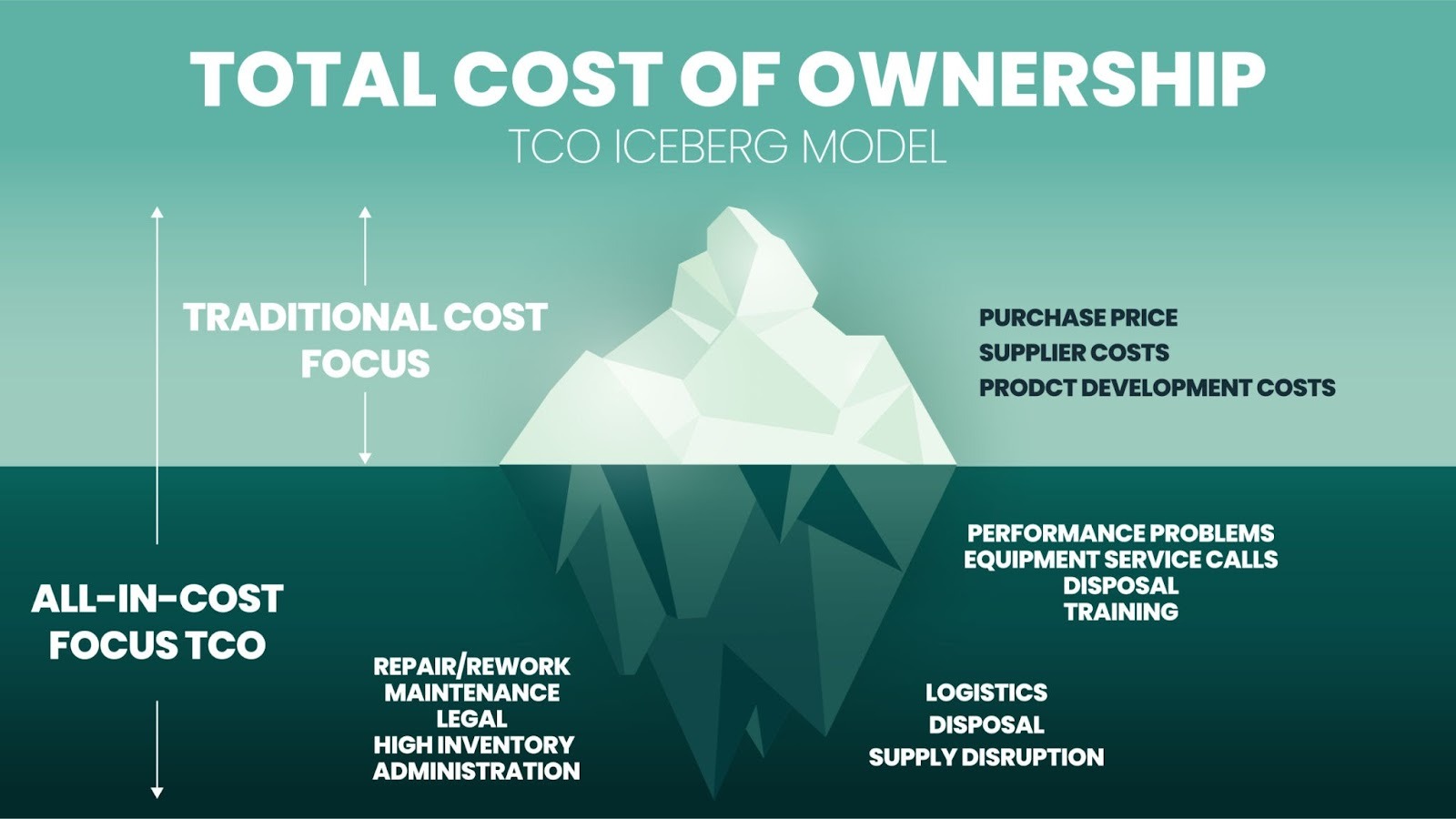
The published cost of data breach figures often omit the silent operational drain caused by unmanaged human risk. Beyond the headline fines and ransom payments, the true financial damage lies in the "long tail" of wasted security budgets: hundreds of hours lost to investigating false positives, re-imaging infected machines, and recovering from productivity downtime caused by a single employee error.
Getty Images
The "Long Tail" Cost of a Single Click
The IBM report calculates the total cost of a confirmed breach, but it often glosses over the operational expense of "near misses" and constant triage. A single phishing click triggers a costly chain reaction, regardless of whether data is exfiltrated.
First, valuable SOC analyst time is diverted from strategic threat hunting to reactive incident triage. Investigating thousands of user-reported phishing emails—many of which are benign—is a massive resource sink. Second, there is the sunk cost of ineffective remediation: organizations continue re-training the same employees repeatedly with generic compliance videos that fail to change behavior, resulting in a negative Return on Security Investment (ROSI).
The Burnout-to-Breach Pipeline: A Cost the Report Can't Measure
The Cost of Data Breach 2026 report quantifies what happened, but it rarely explains why. There is a direct financial correlation between digital wellbeing and security incidents.
A disengaged, overworked workforce is statistically prone to "security fatigue"—the tendency to bypass protocols to save time or ignore warning signs due to cognitive overload. This accumulation of "human debt" represents a massive, unmeasured liability. When organizations cut security budgets for human-centric controls while simultaneously increasing employee workloads, they are effectively financing their next compromise.
FAQ: Operational Costs, SOC Efficiency, and "Human Debt"
What are the "hidden costs" of a data breach?
Beyond fines and legal fees, hidden costs include lost employee productivity, increased insurance premiums, the diversion of SOC resources, and the long-term cost of reputational damage that affects customer acquisition.
How does employee burnout increase data breach costs?
Burnout reduces cognitive function and vigilance. Exhausted employees are more likely to make simple mistakes—like clicking a phish or misconfiguring a server—that lead to costly breaches, and they are less likely to report errors promptly.
Should we reduce security budgets if we haven't had a breach recently?
No. A lack of recent breaches often indicates luck, not resilience. Reducing budgets for human risk management increases "human debt," making a future breach more likely and significantly more expensive to remediate.
How does unmanaged human risk affect SOC efficiency?
It creates a "noise" problem. When employees can't distinguish between a real threat and a safe email, SOC teams are flooded with false positives or miss true alerts. Reducing human risk filters this noise, allowing analysts to focus on genuine threats like advanced persistent threats (APTs).
How to Calculate and Reduce the "Human" Portion of Your Breach Cost
To effectively reduce breach cost in 2026, organizations must shift from reactive damage control to predictive human risk management. By quantifying employee behavior with a dynamic risk score and implementing continuous simulations, you can lower the average cost of a breach by significantly reducing the "time to identify" and "time to contain" metrics cited in the IBM report.
Here is the three-step framework to operationalize this strategy:
Step 1: Calculate Your "Human Risk" (Not Just Click Rate)
You cannot manage what you don't measure, and relying solely on a simple "phishing click rate" is a vanity metric that offers zero predictive value. To understand your financial exposure, you need a baseline Human Risk Score.
This score should not be a static number, but a dynamic metric that blends:
- Resilience: How often do employees actively report suspicious emails? (The "Report Rate" is often more important than the "Click Rate").
- Behavioral History: Have they compromised credentials before? Do they use shadow IT?
- Training Gaps: specific departments that consistently fail simulations. By identifying "high-risk groups," you can allocate your budget efficiently rather than diluting resources.
Step 2: From Annual Training to a Continuous Resilience Program
The IBM report consistently shows that organizations with mature security programs suffer significantly lower breach costs. In the context of NIS2, "maturity" means continuous improvement, not a once-a-year compliance video.
A modern, continuous resilience program must mirror the actual threat landscape. This means moving beyond basic email templates to test employees against:
- AI-driven Phishing: Highly personalized lures.
- Vishing & Deepfakes: Voice-based social engineering.
- Quishing: QR code attacks that bypass email gateways. Building this "muscle memory" allows employees to act as human sensors, detecting threats that technical perimeters miss.
Step 3: Proving ROSI to the Board and NIS2 Auditors
The final and most critical step is translation. You must be able to articulate the value of your program in financial terms. Proving ROSI to the Board (Return on Security Investment) involves a clear narrative:
"The average data breach costs 4.88 million. Our data shows that human risk is our primary attack vector. By investing in this platform, we are demonstrably reducing the probability of a successful attack."
Moreover, this data provides an audit-ready evidence trail. Under NIS2, you must prove to regulators that you took "appropriate technical and organizational measures." A documented history of risk reduction is your best defense against administrative fines and personal liability.
Measuring ROI, Insurance, and Risk Scoring
How do I calculate ROSI for human risk management?
You calculate Return on Security Investment (ROSI) by estimating the cost of a potential breach (based on industry averages) multiplied by the reduction in risk probability achieved by your training program, minus the program's cost.
Does employee training really reduce cyber insurance premiums?
Yes. Cyber insurance carriers increasingly scrutinize human risk controls. Demonstrating a continuous, data-driven security awareness program can lower premiums and is often a prerequisite for coverage eligibility.
What is the difference between a Click Rate and a Human Risk Score?
A Click Rate is a binary metric (fail/pass) from a simulation. A Human Risk Score is a holistic algorithm that combines simulation results, reporting habits, and real-world security behaviors to predict the likelihood of a future error.
How often should we run phishing simulations to see results?
Annual tests are ineffective. Data shows that a continuous cadence (e.g., monthly or bi-weekly) is required to build and maintain "muscle memory." Consistent micro-training is the only way to significantly lower the Human Risk Score over time.
Conclusion: The Cost of Data Breach 2026 Is a Call to Action
The soaring figures in the cost of data breach 2026 report are not merely statistics; they are a mandate for executive accountability. With the NIS2 Directive fully enforceable across Europe, the C-suite can no longer outsource responsibility for cyber resilience.
The data is irrefutable: managing human risk is no longer a "soft skill" relegated to HR. It is the single most critical financial control a CISO can deploy. By transforming your workforce from a liability into a defensive asset, you do more than just lower your risk score—you directly protect the organization's profit margins and ensure its regulatory survival.
Executive Summary & Key Statistics (FAQ)
Frequently Asked Questions


Based on the latest IBM report, the global average cost of a data breach in 2026 is 4.88 million USD, a new all-time high driven by more complex and successful attacks.
While definitions vary, breaches where human error or compromise (phishing, stolen credentials, negligence) is the root cause are consistently cited as the initiating vector in over 80% of all incidents.
Breaches caused by phishing attacks and stolen or compromised credentials are typically the most financially damaging, as they give attackers legitimate access and take the longest to discover.
NIS2 mandates strong security controls and proof of due diligence. Organizations that fail to comply not only face the high cost of the breach itself but also risk massive regulatory fines and personal liability for management.
Because human error is the root cause of over 80% of data breaches. Investing in reducing this risk directly lowers the probability of incurring the global average breach cost of $4.88 million.
Yes. Unlike previous regulations, NIS2 explicitly holds "management bodies" accountable for the implementation of cybersecurity measures, including training and human risk management, with potential penalties including temporary bans from management roles.



Join the Kymatio® newsletter and get the latest insights, research, and practical tips on cybersecurity awareness prevention straight to your inbox.